How Art Elevates the Lives of Canadians and Sustains Our Collective Spirits While Building the National Identity
Artistic expression plays a fundamental role in shaping the fabric of Canadian life. It functions as a lens, reflecting the varied cultures and histories of the country. Indigenous artwork breathes new life into traditions, while city murals depict community stories. Music unites communities spread across expansive regions, creating a shared sense of belonging. These forms of art not only elevate individual experiences but also craft an intricate tapestry of national identity. The full scope of art's influence on community and national pride warrants deeper investigation.
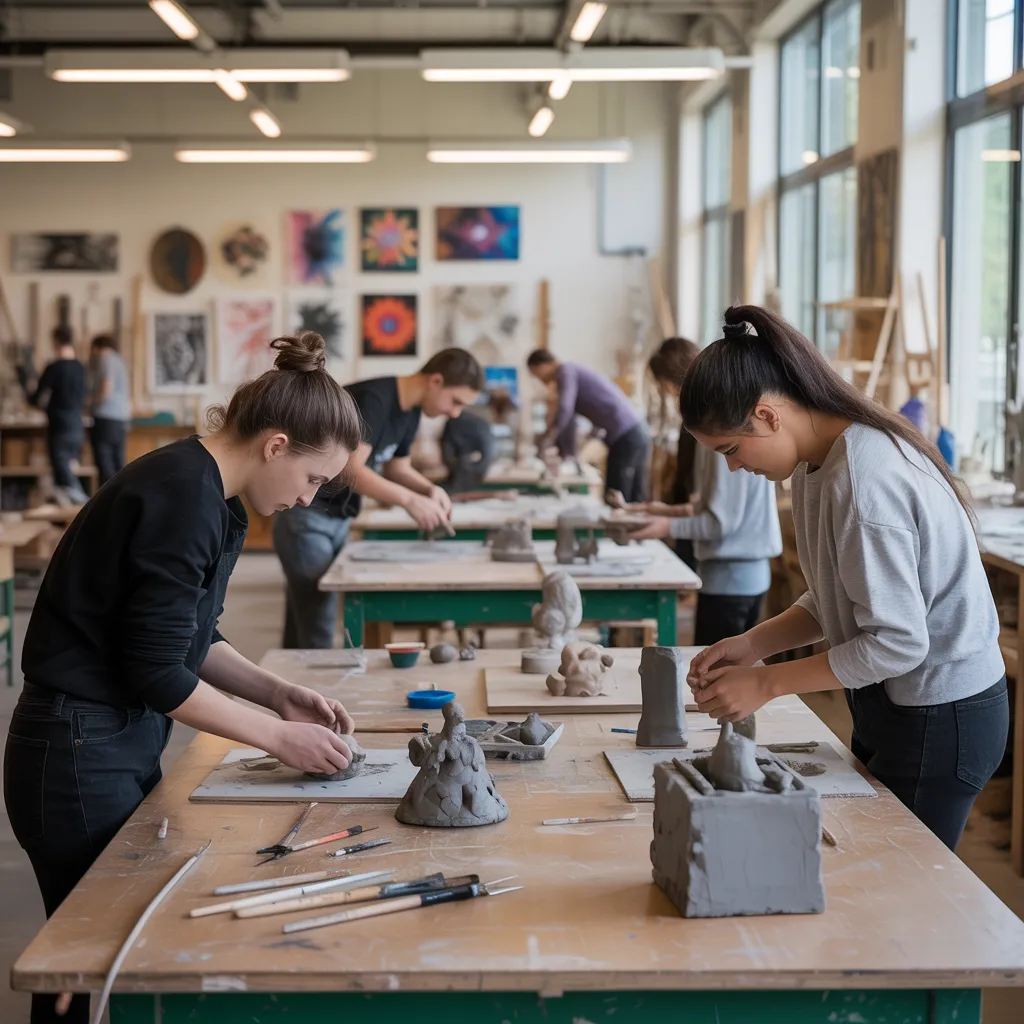
How Indigenous Art Shapes Canadian Identity
Indigenous art markedly shapes Canadian identity, as it not only embodies the varied cultures and histories of Indigenous peoples but also challenges mainstream narratives. This art form functions as a vital medium through which Indigenous voices express their experiences, traditions, and perspectives. Every work, whether it be a painting, sculpture, or textile, captures distinctive stories that connect with both Indigenous and non-Indigenous audiences.
Furthermore, Indigenous art plays a significant role in promoting dialogue and harmony among varied communities. By presenting the vibrant heritage and persistent struggles of Indigenous peoples, it invites dialogue and cultivates a broader recognition of Canada's intricate historical narrative. Museums and public venues are increasingly showcasing Indigenous artists, enabling their art to connect with broader audiences. This presence not only elevates the cultural fabric but also promotes the restoration of Indigenous languages and practices, thereby fostering a more cohesive national identity that celebrates all its people.
Street Murals and Cultural Richness in Canada
Murals across Canadian cities function as compelling visual stories that showcase the country's vibrant cultural mosaic. These creative works reshape city environments, turning common areas into lively reflections of community and identity. By means of this art form, artists convey narratives that capture the complex realities of numerous ethnic communities, promoting a greater awareness of Canada's national identity.
Honoring Cultural Stories
Across Canada, vibrant urban murals act as compelling platforms that showcase the rich multicultural fabric of the nation. These artworks, often created by local artists, capture the narratives, customs, and principles of diverse communities, nurturing feelings of inclusion and pride. Not only do they enhance city environments but also spark discussion between community members and visitors, encouraging recognition and respect of varied cultural perspectives. By artistically representing multicultural values, these pieces help forge a unified national identity, highlighting the importance of inclusion. Celebrations such as mural festivals strengthen these ties, drawing people together in recognition of creative expression. At their core, these murals act as testaments of the dynamic tapestry of Canadian society, enriching both personal and collective experiences through art.
Transforming Urban Landscapes
When examining the ever-changing landscapes of cities across Canada, it is impossible to ignore the transformative power of public murals. These vibrant artworks not only enrich shared environments but also embody the rich diversity found throughout Canada. Murals serve as a canvas for overlooked perspectives, telling stories of history, perseverance, and shared identity. Talents from all walks of life join forces to craft artwork that foster dialogue and understanding among citizens. Cities like Toronto, Montreal, and Vancouver have welcomed this creative tradition, transforming surfaces into reflections of collective identity and harmony. As urban murals flourish, they strengthen a collective sense of belonging, enhancing the urban experience and deepening the appreciation of residents while celebrating the rich tapestry of their interconnected histories.
The Impact of Music on Canadian Community Connection
Music weaves a vital thread through the tapestry of Canadian culture, nurturing connections that cross cultural and geographical boundaries. In communities and cities across the country, musicians and local gatherings establish venues for collective moments, welcoming diverse groups to connect and participate. Open mic nights, festivals, and concerts function as stages for artistic expression, uniting members of varied communities under the unifying power of melody.
Moreover, music serves a vital function in maintaining cultural traditions, allowing Indigenous, French, and newcomer communities to share their stories and traditions. By encouraging acceptance and comprehension, music fortifies community connections, fostering conversation and unity among Canadians. Regional schools and community spaces often host music programs that nurture talent and build lifelong friendships, additionally strengthening communal bonds. At its core, the impact of music within Canada not only enriches the lives of individuals but also fosters a spirit of inclusion and togetherness across the wider community.
How Art Drives National Conversations
Art ignites national conversations by questioning assumptions and prompting discussions on cultural, social, and political matters. Through various mediums, cultural contributors engage with critical subjects such as climate change, identity, and immigration, building an arena for dialogue among Canadians. Music, literature, and visual art serve as mirrors capturing diverse experiences and viewpoints, fostering empathy and understanding.
Art shows, live performances, and literary events commonly inspire lively debate, prompting attendees to critically examine the presented narratives. Such creative works have the power to unite communities, fostering shared activism and meaningful advocacy.
Additionally, art goes beyond geographic boundaries, connecting individuals from different walks of life in mutual discourse. This collective participation builds a spirit of togetherness and cultural identity, as Canadians discover their values and aspirations through creative works. In the end, art serves as a source of introspection and conversation, deepening the national dialogue and cultivating a more united society.
How Art Reflects History and Educates
Artwork serves as an essential historical record, capturing significant events and cultural changes that influence the identity of Canada. Through multiple artistic forms, it expresses meaningful cultural accounts that reflect the wide range of experiences and perspectives throughout the country. Moreover, the art of expression provides a foundation for education, cultivating comprehension and respect of such historical and cultural settings.
Art As a Historical Record
Across the ages, countless artworks have served as irreplaceable glimpses into earlier times, offering perspectives on cultural, social, and political dynamics. Art immortalizes specific moments, embodying the essence of specific ages while providing a story that enriches historical records. Diverse artistic mediums including paintings and sculptures frequently record important events, social transformations, and personal human experiences. To illustrate, historical art can represent battles, social movements, or ordinary existence, allowing viewers to grasp the emotions and complexities of those times. Additionally, art can challenge dominant narratives, presenting contrasting outlooks that broaden our grasp of the past. By immersing oneself in these artistic archives, one can gain knowledge about the layered aspects of their historical background, cultivating a stronger bond with their cultural identity and shared history.
Artistic Expression of Cultural Stories
Though commonly dismissed, the role of artistic representation in defining cultural narratives is substantial and far-reaching. Creative works act as a mirror showcasing societal beliefs, hardships, and victories, bringing together the fabric of heritage and culture. Through various forms—photography, painting, and sculpture—creators document significant events and feelings, enabling audiences to understand the complexities of their collective past. For instance, Indigenous art often conveys stories of resilience and connection to the land, while modern pieces may challenge present-day social concerns. These creative works shed light on the diverse experiences that define Canada, encouraging a more profound awareness of its multicultural landscape. In the end, art goes beyond documenting history by fostering a collective story, deepening the exchange of cultural ideas across Canada.
Learning Through Creative Expression
Creative expressions greatly enhance academic experiences by supplying original viewpoints through which history can be understood. Creative works, such as paintings, music, and literature, function as representations of social values and historical frameworks, enabling people to connect with historical events more meaningfully. Such creations not only embody the spirit of particular periods but also inspire analytical thought and heartfelt reactions. For instance, Indigenous art often narrates stories of resilience and cultural identity, cultivating understanding and respect for varied viewpoints. Through incorporating art into academic programs, learners develop an understanding of their national heritage and shared history. This process nurtures empathy and understanding, consequently elevating the academic experience and deepening a mutual appreciation for Canada's rich historical tapestry.
Building National Pride Through Unified Artistic Experiences
Art serves as a compelling vehicle through which Canadians can build and develop a sense of shared pride, as shared artistic experiences encourage a unified identity. Art exhibitions, cultural festivals, and performances connect diverse communities, allowing individuals to celebrate their heritage while appreciating the depth of others. This collective engagement fosters a deeper connection among Canadians, strengthening the notion that art rises above linguistic and regional boundaries.
In addition, symbolic national imagery in art—including the renowned landscapes depicted by Canadian painters—inspire feelings of belonging and a common history. Such depictions act as reminders of the nation's distinctive beauty and core values. As Canadians participate in art as a community, they concurrently connect with their national narrative, deepening their pride in their cultural identity. In the end, these collective experiences not only deepen personal appreciation for the arts but also foster a unified national identity, celebrating the multifaceted nature of Canadian culture.
Common Questions and Answers
How Does Art Influence Mental Health in Canadians?
Art profoundly affects emotional wellness in people across Canada by promoting the expression of emotions, diminishing stress levels, and improving general well-being. Engaging with a variety of art forms encourages connection and reflection, adding positively to personal and community emotional health results.
What Impact Do Art Festivals Have on Local Economies?
Art festivals significantly enhance local economies by attracting tourism, driving sales among local businesses, and generating short-term employment opportunities. They cultivate community participation and facilitate cultural exchange, ultimately improving economic prosperity and social harmony throughout the region.
What Are the Best Ways to Enhance Art Education in Canadian Schools?
The quality of art education in Canadian schools can be elevated by embracing varied artistic disciplines, expanding budget allocations for art supplies and materials, fostering partnerships with local artists, and prioritizing cross-curricular methods that link art to other academic areas to strengthen student participation and artistic expression.
What Does the Future Hold for Digital Art in Canada?
The future of digital creativity in Canada seems encouraging, with progress in technology fostering creativity. Greater access to creative digital resources will likely empower emerging artists, promoting innovation and collaboration within the artistic community.
How Can Art Encourage Environmental Awareness Across Canada?
Artwork promotes environmental awareness within Canadian communities by visually illustrating environmental challenges, view this sparking meaningful conversation, and cultivating a sense of responsibility. Using a wide range of creative outlets, it inspires individuals to reconsider their relationship with nature and champion sustainable practices.